
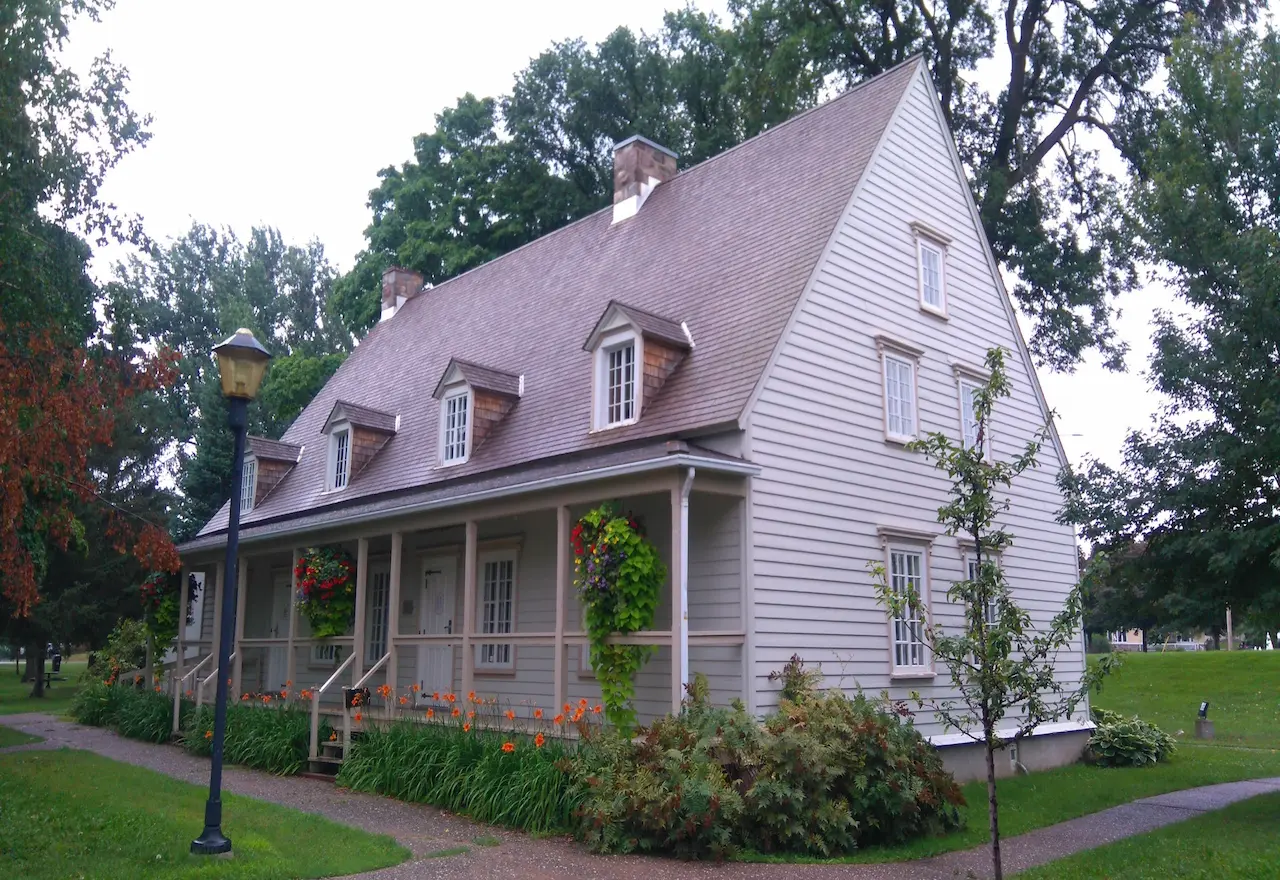
Known as the Capital of the Snow Goose, Montmagny offers a picturesque lifestyle where the St. Lawrence River meets a tight-knit community. However, living in Montmagny, Quebec involves more than just enjoying the scenery; it requires navigating the unique economic profile of a regional hub. While smaller cities are often equated with being cheap, this town serves as a service center for the entire Côte-du-Sud region, creating a specific financial dynamic where certain costs are lower, but others can catch you off guard.
For the roughly 11,000 residents, financial life is about efficiency and making every dollar count. Whether you are working in the local manufacturing sector or commuting toward Lévis, your budget is shaped by the availability of local resources versus the necessity of the occasional big city run. Understanding these trade-offs is essential for anyone looking to build a stable life in this charming corner of the Chaudière-Appalaches without overextending themselves.
The Real Estate Landscape and Local Services
The housing market is the cornerstone of life in this region, and unlike the hyper-competitive climate of Quebec City, Montmagny remains a stronghold for affordable homeownership. In 2026, the average monthly cost for owned housing sits at approximately 1,340 dollars, including mortgage and taxes. To get a better sense of the local infrastructure and the city’s official services, you can visit the Ville de Montmagny website, which provides essential data for residents and newcomers alike.
Conversely, the rental market has seen a bit of a squeeze lately. With a limited supply of new apartment builds, average rents for a well-located unit have climbed toward 1,800 dollars. This inverse relationship—where owning can sometimes be more affordable than renting—drives many young families to commit to a mortgage early. However, this commitment also ties up capital, making liquid savings even more important for handling home maintenance in a region known for its harsh riverfront winters.

Transportation: The Necessity of the Car
In Montmagny, a vehicle is rarely a luxury; it is a vital tool for survival and work. While the city is walkable in its historic core, accessing the industrial parks or the commercial zones along the highway requires wheels. For a driver here, the average monthly cost—including fuel, insurance, and maintenance—is roughly 706 dollars. This high reliance on personal vehicles means that a single mechanical failure isn’t just an inconvenience, it’s a direct threat to one’s livelihood.
Maintaining an emergency fund specifically for vehicle repairs is a standard financial decision for almost every household in the area. When a car breakdown happens at the worst possible time and your savings are a bit short, understanding how it works in terms of fast, modern lending can be a lifesaver. Having access to a quick bridge loan allows you to fix your car and get back to work without waiting weeks for a traditional bank’s approval.
Energy and the River Effect
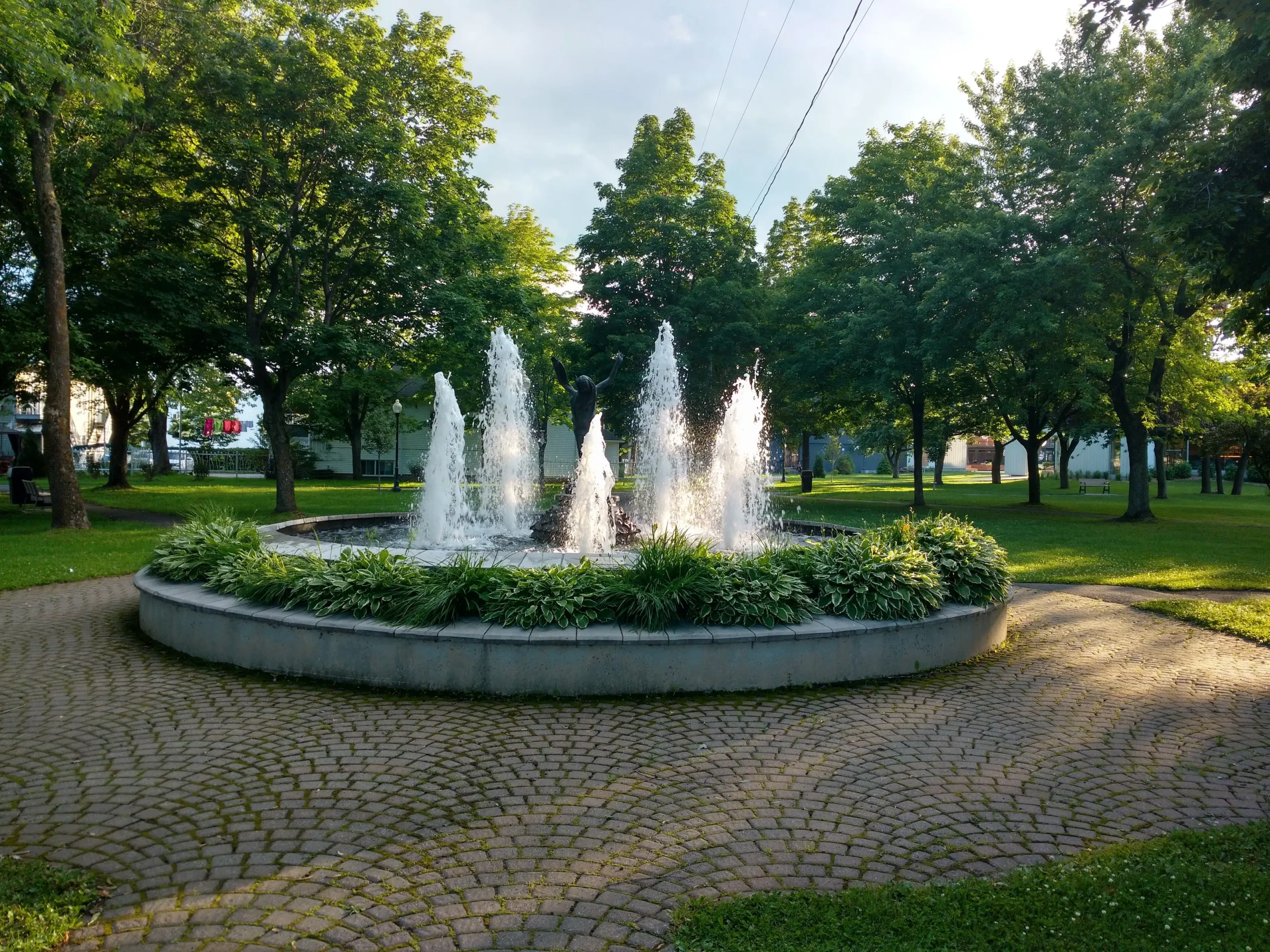
The proximity to the water is beautiful, but the damp, windy climate can be tough on utility bills during the long winter months. Despite Quebec having some of the lowest electricity rates in North America, heating an older home in Montmagny during a deep freeze remains a significant expense. Average monthly utilities hover around 100 dollars, but this figure is often smoothed out by equalized billing to avoid huge spikes in January.
Residents who fail to plan for the winter surge often find themselves in a cash crunch when spring arrives. Modernizing heating systems with heat pumps has become a popular local investment, but the upfront cost remains a barrier for many. This often leads to a reliance on short-term financing to make these essential home improvements, ensuring that the house stays warm without draining the entire family budget in one go.
Managing the Cash Flow Gap
Small-city life often involves seasonal work or contract-based employment in the manufacturing and tourism sectors. This can lead to a feast or famine cash flow where some months are much tighter than others. Managing these gaps requires a proactive approach to debt, avoiding high-interest credit cards that can easily spiral out of control if not handled with care.
Many locals prefer fixed-term small loans that have a clear end date and manageable payments. This pragmatic approach mirrors the resilient, hardworking nature of the Côte-du-Sud population. If you ever find yourself needing a bit of extra support to cover a gap between contracts or an unexpected bill, don’t hesitate to reach out through our Contact page to find a solution that respects your current reality.
The Future of Financial Stability
As Montmagny continues to develop its industrial and tourism sectors, the economic outlook remains stable but cautious. The key to successful living here in 2026 is flexibility and the ability to adapt to rising costs while maintaining a home and a vehicle. It is a town that rewards those who are prepared for the unexpected and who value the strength of a local community.
By understanding the real costs of their environment and knowing how to access responsible credit when the unexpected happens, residents can continue to enjoy the high quality of life that this riverfront city provides. Life in Montmagny is about more than just numbers; it’s about the peace of mind that comes from knowing you can handle whatever the St. Lawrence throws your way.
FAQ
Is it better to rent or buy in Montmagny in 2026?
Currently, the monthly cost of owning (1,340 dollars) is often lower than the average rent (1,804 dollars), making buying a strong long-term option if you have the initial down payment.
What is the average salary needed to live comfortably?
While the average salary is around 43,320 dollars, a single person may need closer to 55,000 dollars to cover all expenses comfortably, including vehicle maintenance and personal savings.
How far is the commute from Montmagny to Lévis?
It is approximately a 35 to 45-minute drive via Highway 20, depending on traffic and weather conditions, which can be quite variable in the winter.
Are there local emergency financial resources?
Yes. In addition to community groups, alternative lenders like MiniCash provide quick access to funds for those who might not meet the rigid criteria of traditional banks.
Does Montmagny have good high-speed internet for remote work?
Yes, the city is well-served by major Quebec telecommunications providers, making it a very viable spot for remote workers seeking a quieter, riverfront lifestyle.