
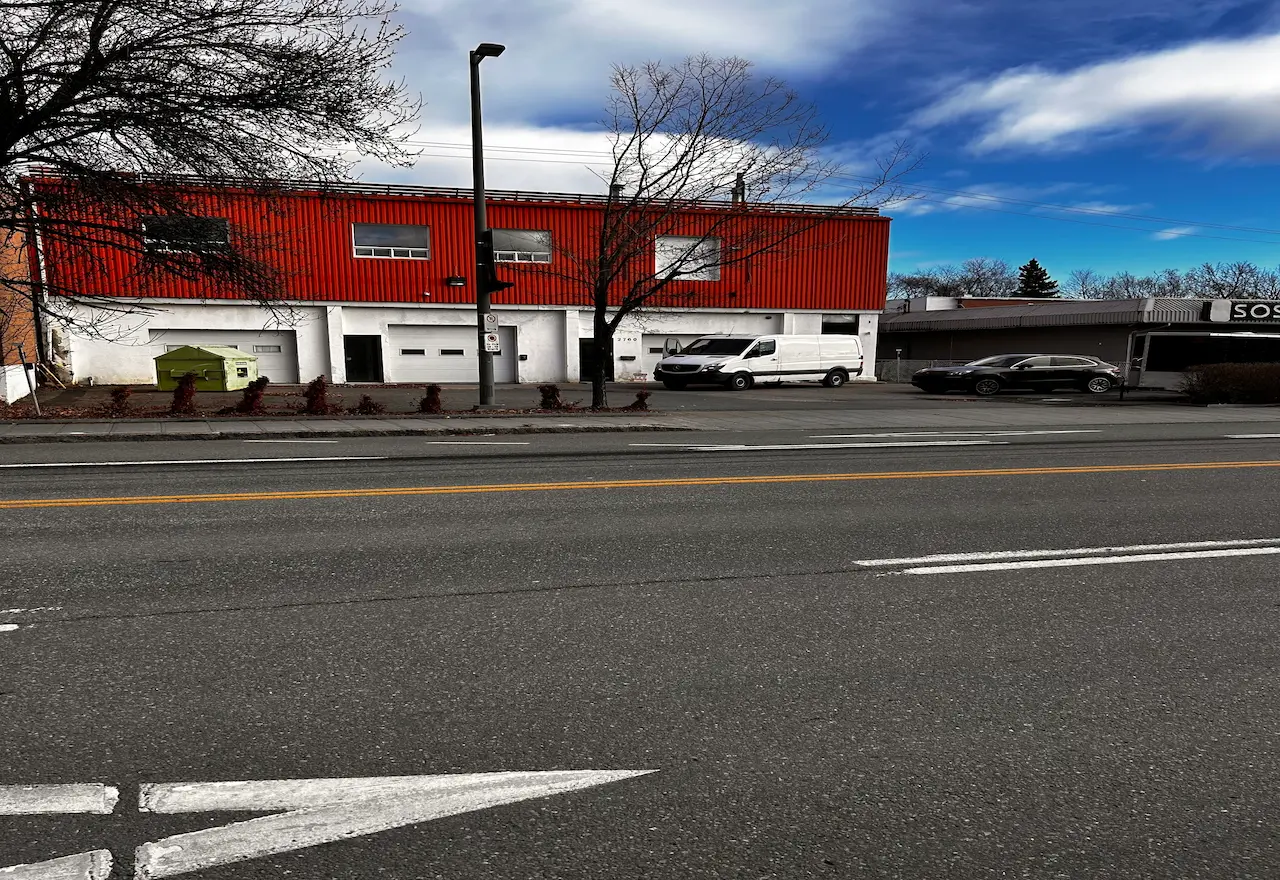
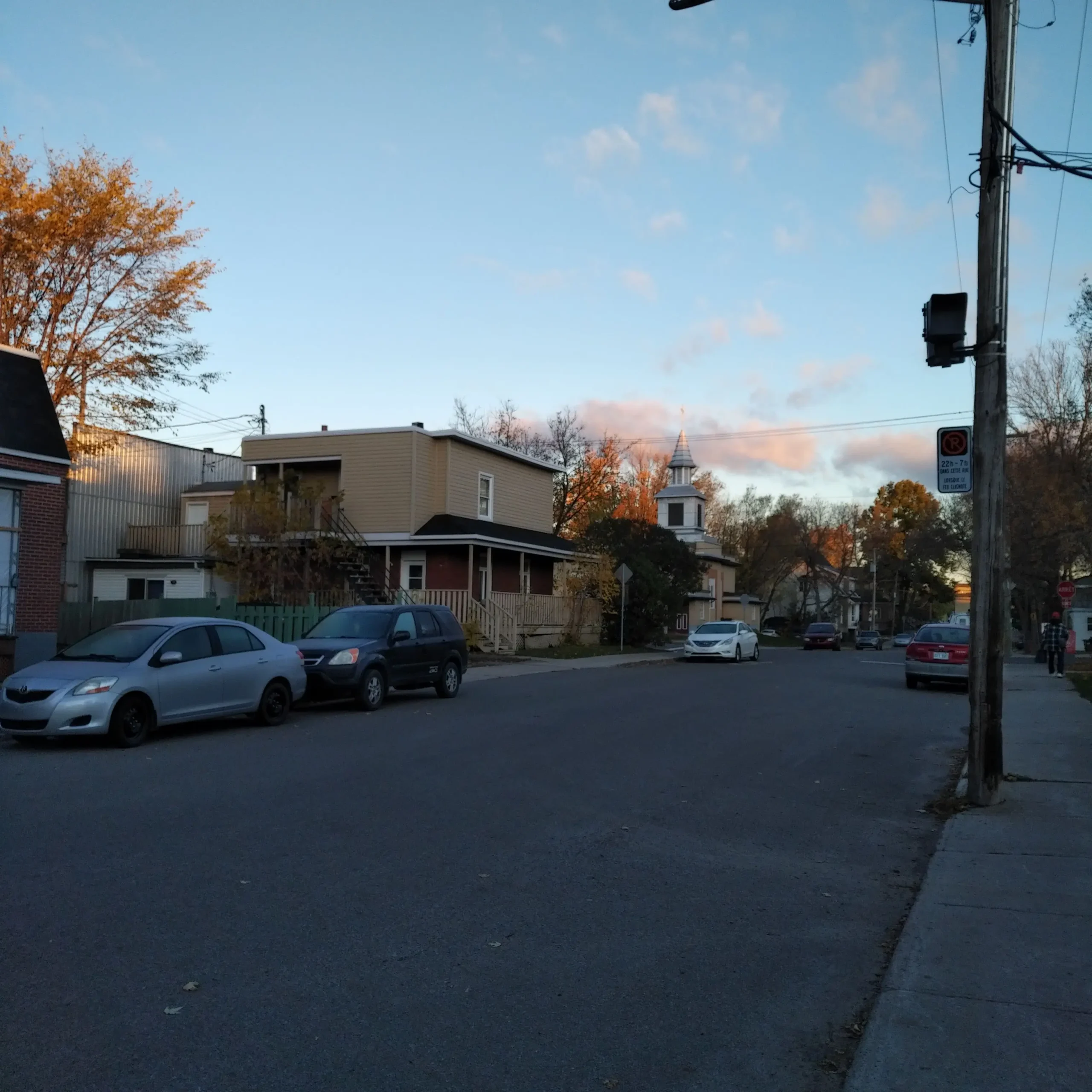
Limoilou has long been the soul of Quebec City, a place where the grid-like streets and iconic spiral staircases tell a story of working-class heritage. However, as we move through 2026, the Limoilou cost of living is reflecting a neighborhood in transition. What was once the city’s best-kept secret for affordable housing has transformed into a trendy hub, blending its industrial roots with a new wave of boutiques, artisan bakeries, and high-demand rentals.
For residents, this evolution brings a vibrant energy, but it also requires a more strategic approach to managing daily expenses. To understand the geographical context and the historical weight of this borough, you can explore the La Cité-Limoilou profile, which highlights how this area has become the cultural heart of the city. Understanding where your money goes every month is the first step in navigating this shift without losing the quality of life that makes this borough so special.
The Rental Market Shift and Community Life
Housing remains the most significant factor in the Limoilou cost of living. In 2026, the average rent for a one-bedroom apartment in the heart of the district ranges between 950 and 1250 dollars. While this remains more affordable than central Montreal, it represents a steady climb from previous years. The Plex culture—traditional three-story buildings—still dominates the landscape, but many are being renovated into modern units that command higher prices.
For long-time residents, the challenge is adapting to these rising fixed costs while staying connected to the neighborhood’s essence. A great way to keep your finger on the pulse of local events, markets, and community initiatives that help save money is through the RDV Limoilou platform, which serves as the digital meeting point for everyone living in the area. Keeping a close eye on lease renewals and understanding local tenant rights has become a vital part of financial survival for Limoilou’s diverse population.

Transportation: The Limoilou Advantage
One area where Limoilou residents often save money is transportation. The neighborhood is one of the most walkable and bike-friendly in Quebec City. With extensive bus lines serving the borough, many households find they can downsize to a single vehicle or live car-free entirely. This density is a direct financial asset that helps offset other rising costs.
A monthly transit pass or the occasional use of car-sharing services is significantly cheaper than the 400 to 600 dollars monthly cost of owning, insuring, and parking a car in an urban zone. This transportation bonus is often what allows local families to absorb increases in rent or food prices. By prioritizing public transit and active mobility, residents can maintain a high level of freedom without the heavy financial burden of a private vehicle.
Energy and the Quebec Winter Factor
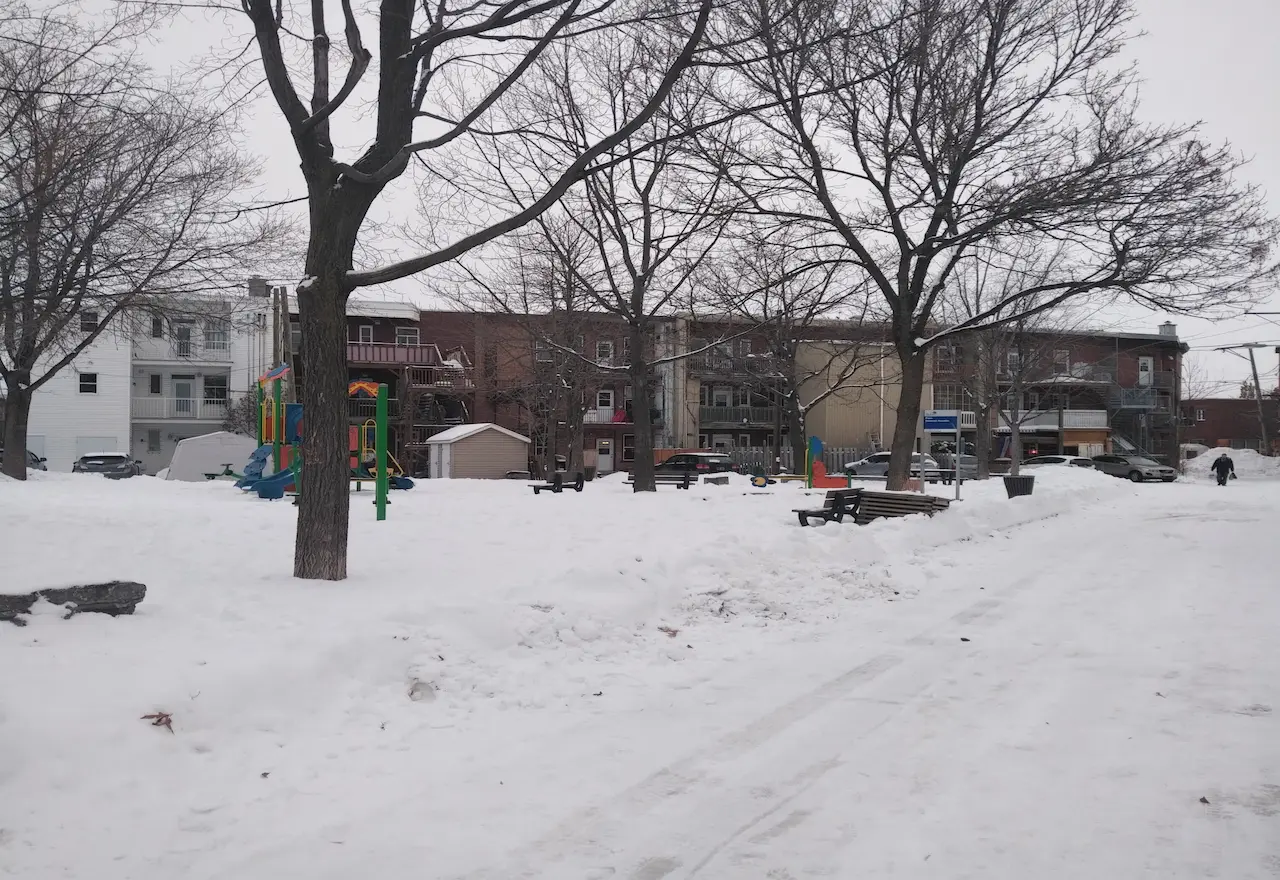
Living in the historic buildings of Limoilou comes with a unique thermal reality. While the architecture is beautiful, older insulation can lead to higher heating bills during the sub-zero Quebec winters. In 2026, a typical monthly utility bill—including electricity, heating, and internet—averages between 250 and 320 dollars for a small apartment.
In the summer, costs drop significantly as heating systems go dormant, but savvy residents often use equalized billing plans to smooth out these spikes. This prevents a massive financial shock in January or February, ensuring that the cost of staying warm does not derail the rest of your monthly budget. Being proactive about energy consumption and seasonal changes is essential for maintaining a balanced bank account throughout the year.
Groceries and the Artisan Premium
Limoilou is a food lover’s paradise, but your grocery bill can vary wildly depending on your shopping habits. A single resident can expect to spend between 380 and 580 dollars per month on food. While large supermarkets provide the basics, the neighborhood is famous for its specialized local shops. The artisan premium is a real factor here; choosing a locally roasted coffee or a handmade loaf of bread adds up over thirty days.
Many residents manage this by splitting their shopping: using larger chains for household staples and reserving local boutiques for high-quality treats. This balance allows people to support the local economy while keeping their daily expenses within a manageable range. If you are new to the area and want to see how to align your budget with our fast approval process, you can review how it works to ensure you have a safety net for those unexpected artisan expenses.
The Future of Financial Life in Limoilou
Limoilou will likely continue to see upward pressure on prices as it remains one of the most desirable places to live in Quebec City. However, the borough’s strong sense of community and its walkable infrastructure provide a solid foundation for its residents. The goal for the coming years is affordability through density and smart choices, leveraging local advantages like transit and community markets.
By knowing where to turn for flexible financial support when needed, residents can continue to enjoy the unique Limoilou lifestyle. It is a neighborhood that rewards those who are engaged with their community and their finances, proving that even in a changing economic climate, the heart of Quebec City remains a great place to call home. If you are facing an unexpected expense and need a team that understands the local reality, please visit our Contact page to find a solution that fits your life today.
FAQ
Is Limoilou more expensive than Sainte-Foy?
Generally, Limoilou offers better value for urban living, though Sainte-Foy has more large-scale apartment complexes. Limoilou is often considered the more lifestyle-oriented choice.
What is the average internet cost in Limoilou for 2026?
You can expect to pay between 50 and 75 dollars per month for high-speed fiber, which is widely available throughout the borough.
Are there many free community activities in Limoilou?
Yes. Between the public parks, the Saint-Charles River trails, and community-led festivals on 3e Avenue, Limoilou offers some of the best free recreation in the city.
Can I get a small loan in Limoilou without a high credit score?
Yes. Alternative lenders like MiniCash focus on your current employment and banking stability in Quebec rather than just your credit bureau score.
How much should I budget for winter heating in an old Limoilou Plex?
It is wise to set aside an extra 100 to 150 dollars per month for the peak winter months if you are not on an equalized payment plan with Hydro-Québec.